
Ruby Dice Is Building a Career Around Community
Austin’s reigning bassist steps out front with a new album created alongside a dozen-plus fellow artists.
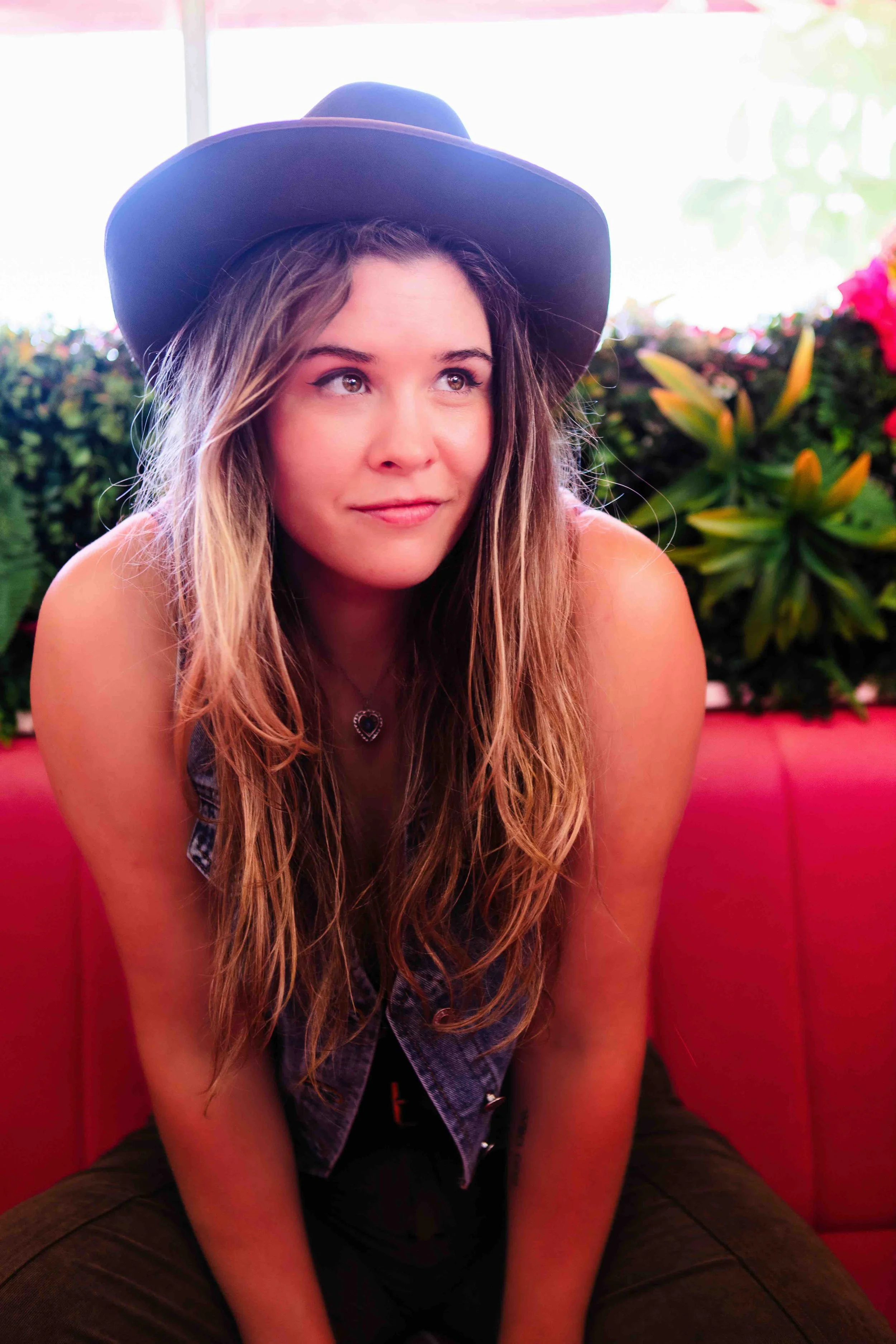
Raised in Gunnison, Colorado, Ruby Dice came to Austin in 2013 and quickly became a first-call bassist—the kind of player other artists build a rhythm section around. She’s shared stages with Brian Wilson, toured with Dale Watson and cut her earliest recordings alongside members of Band of Heathens. This year she was named the city’s Best Bassist at the Austin Chronicle’s 44th Austin Music Awards.
Now she’s stepping out front. Dice’s new album, “Take Me Back,” brings together more than a dozen Austin artists in a project that’s part record, part oral history. Paired with a companion documentary, “Making a Life Out of Art,” the project captures the friendships and shared stages behind it.
In our interview she talks about learning to lead a band the way she once anchored one, what it takes to pull off a project with so many collaborators, and what she hopes people carry out of both.
You came up as a bassist before stepping out front as a bandleader — how did that background shape the way you write and arrange songs now?
Coming up as a bassist taught me to listen first. You learn pretty quickly that your job isn’t to take up all the space — it’s to make everything around you feel better. That really shaped the way I write and arrange. I’m always thinking about the groove, what the song needs and how every instrument can tell part of the story. As a bandleader, I want everyone to have room to bring their personality into the music. I think that’s why my songs tend to feel collaborative. I’m still approaching them like a bass player, just from the front of the stage.
You’ve played alongside Brian Wilson, toured with Dale Watson, and recorded with members of Band of Heathens. What did those experiences teach you?
Working with members of Band of Heathens had a huge impact on how I approach my own music. They understand how to serve a song without overcomplicating it, and watching them work showed me how much trust and collaboration matter in the studio. Everyone brings something different, but the goal is always to make the song better. That experience gave me the confidence to step into my own voice as an artist and build a project around musicians I respect. It really helped shape the community-driven approach behind everything I’m doing now.
Dale Watson showed me how to have fun on a show even when you’re faced with chaos.
Brian Wilson showed me how to have grace and put on a show when things aren’t ideal — no matter what was happening backstage, he always put on a hell of a show. There’s something beautiful that comes out of making art when the struggle is real.
Your sound seems to mix Colorado mountain roots with Texas soul and country vibes. How do you describe your sound? And how do you think Austin has changed or sharpened that sound since you got here?
I usually describe my sound as bluesy country. Growing up in Colorado gave me a love for honest storytelling and that wide-open, mountain-town feeling. I was the town bass player in Gunnison for a few years before making the jump to Texas. That tiny little town has a deep pool of talented musicians. Austin brought in the soul, the groove, and a little more grit. When you’re surrounded by musicians who play everything from traditional country to blues, rock and soul, those influences naturally find their way into your music. Austin didn’t change who I was as an artist. It helped me figure out how all those pieces fit together.
What sparked the idea to build an album and documentary around more than a dozen Austin artists rather than going it alone?
Austin’s music community has shaped so much of who I am as an artist, so making an album on my own never felt like the whole story. I wanted to bring together the people I’ve played with, learned from and built friendships with over the years. Each artist brought their own perspective, and the songs became bigger because of it. The documentary came from wanting to capture more than just the recording process. I wanted to show what it actually looks like to make a life out of art, and how much community it takes to keep that going. Both projects are really a love letter to the people who make Austin’s music scene what it is.
What was it like directing that many folks toward one cohesive project? Any moments that surprised you?
Finding collaborators out of the gate was difficult. I had a lot of no-shows for writing sessions. But once I found this team, everything went pretty smoothly. Everyone was wonderful to work with, and I feel lucky to have had so many talented people involved. That includes our documentary director, Boone Carter, and Seth Caldrán behind the camera. Even though they weren’t making the music, the energy they brought to the project was priceless. Ten out of ten, I would do this again in a heartbeat with this team.
You were voted Best Bassist in Austin. What does that recognition mean to you, especially as someone who’s also stepping into the leading role?
Being voted Best Bassist in Austin meant the world to me because it came from a community I’ve spent so many years playing in and learning from. Bass was my way into this town, and it’s still such a big part of who I am. Stepping into the leading role doesn’t mean leaving that identity behind. It means bringing everything the bass taught me—how to listen, support the song and connect with the people around me—to the front of the stage. That recognition felt like Austin saying, “We see you,” and it gave me even more confidence to keep growing into this next chapter.
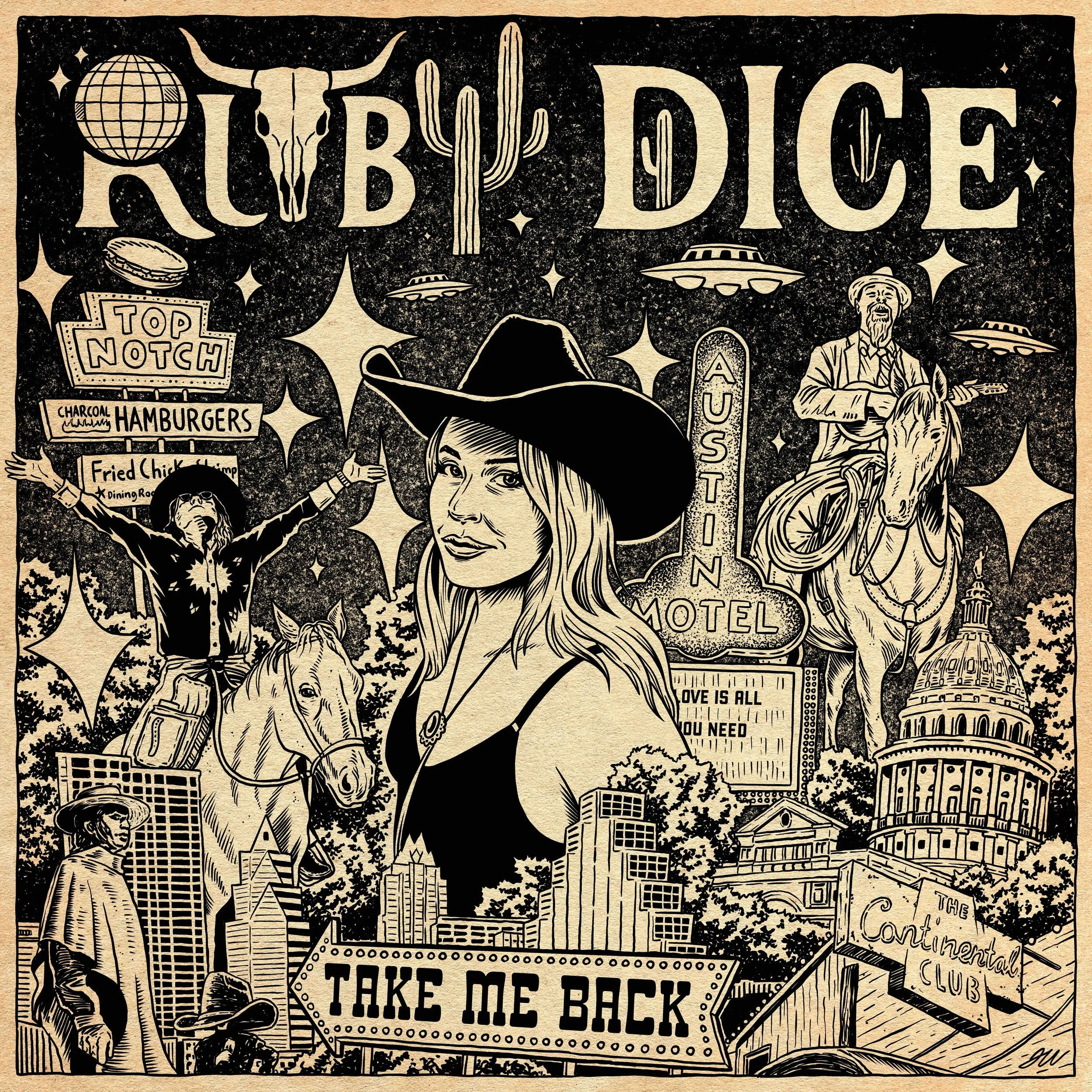
Is there a song on the new record that best captures what you’re trying to say about Austin’s music community right now?
Yes. “Little Big Town” is that song for me. It talks about the struggle of a city going through explosive growth in a short amount of time, a mixture of losing some of the things that made it so special while also gaining new things that make it special in a new way.
Where do you love to play in town, and is there a room that feels like it brings out your best set?
I love Sagebrush and the White Horse. People talk about how Clifford Antone helped bring artists’ careers to life back in the day. In my eyes, Marshall McHone and Dennis O’Donnell with their iconic honky-tonks are carrying that torch today. They give artists like me the opportunity to grow our sound in their rooms and play for honky-tonk fans from all over the country. Those spaces are a huge part of what keeps Austin’s music community alive.
What do you want people to feel or take away after watching the documentary?
I want people to walk away with a deeper appreciation for the artists who make Austin such a special place. Making a life out of art takes a lot of work, a lot of heart and a community of people who believe in what you’re doing. I hope the documentary gives people a glimpse of that and reminds them why it matters to support live music and the people creating it. If someone leaves feeling inspired to go see a show, discover a new artist or chase something they love, I’ll feel like we did our job.
What’s next for you once the album and documentary are out in the world?
We plan to tour, keep recording and bring this music to as many people as possible. I also have another film in mind, but I don’t want to give too much away before it’s fully in motion. Let’s just say this project opened a door I’m not ready to close. Stay tuned—we’re just getting started!
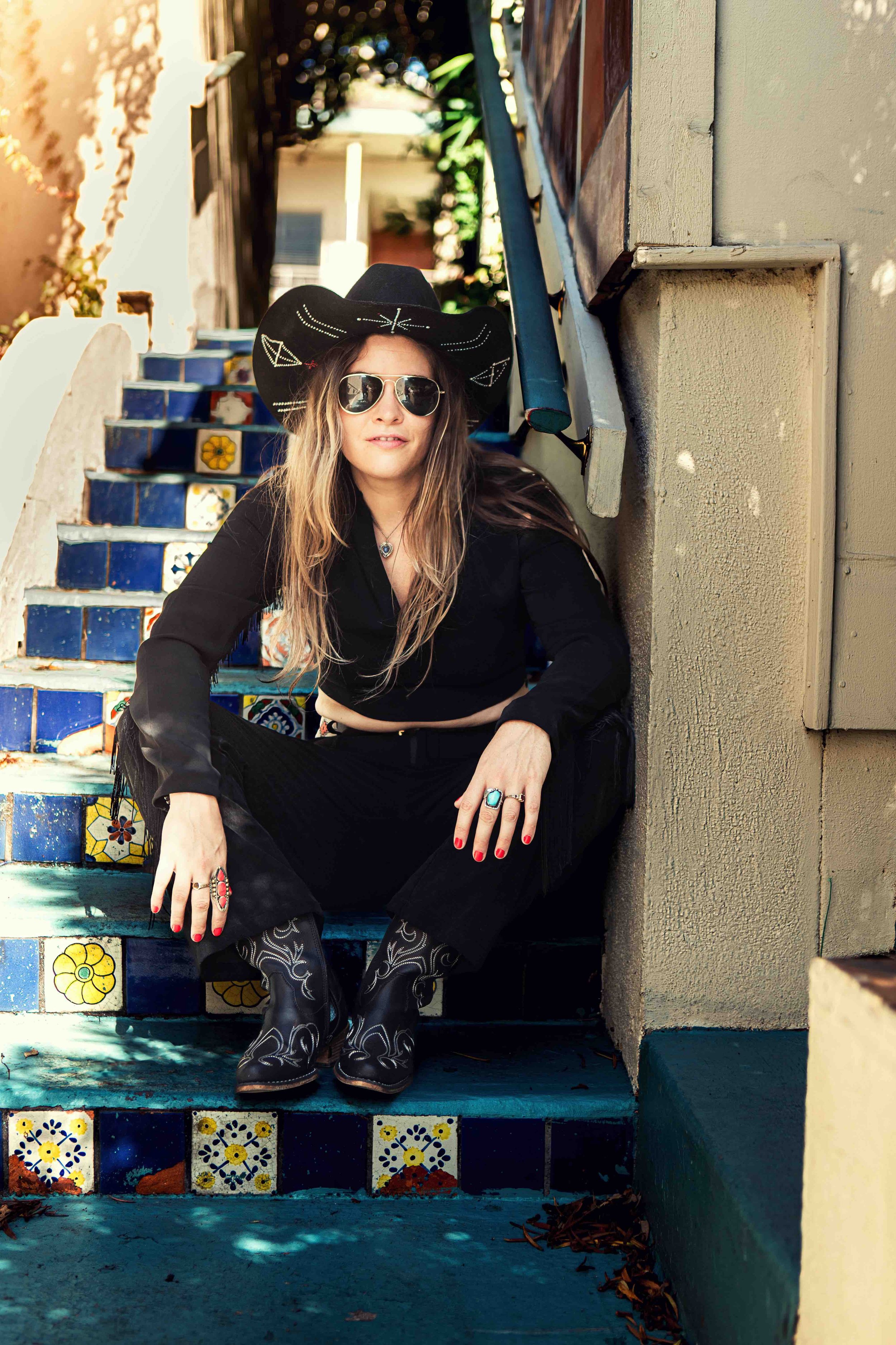
Catch Ruby Dice This Weekend
“Take Me Back” is out this Friday, August 28.
Friday, Aug. 28 — Album release party at the Continental Club, Houston, TX.
Saturday, Aug. 29 — Hometown album release with documentary screening followed by guest appearances at the 04 Center.
